Declare Independence From Your Old Oil Tank. $250 off through August 31st.
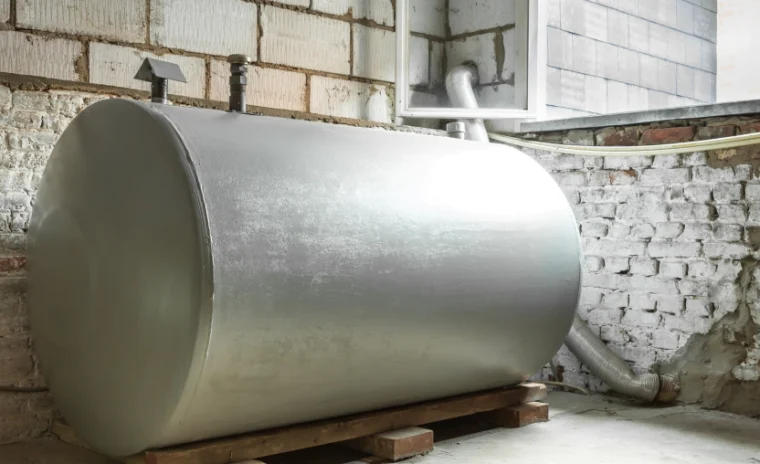
Oil Tank Removal: A Complete Guide to the Process and Safety Tips
Oil tank removal is a critical project that should never be taken lightly. Whether you are upgrading your heating system, replacing an aging tank, or eliminating an unused unit, understanding the full oil tank removal process is essential for protecting your property and the environment.
Heating oil tanks store large amounts of fuel, and when they deteriorate, they can pose serious risks. Leaks, soil contamination, structural damage, and regulatory fines are all potential consequences of improper removal. In this complete guide, we walk through oil tank removal from start to finish, covering safety precautions, regulations, and the differences between residential and commercial oil tank removal.
Why Oil Tank Removal Becomes Necessary
Oil tanks do not last forever. Over time, corrosion, condensation, and wear can weaken the tank walls. Understanding the key factors affecting oil tank lifespan is essential to help you decide whether your residential tank requires proactive replacement before leaks develop. Many property owners pursue oil tank removal for one or more of the following reasons:
- The tank is over 20–30 years old
- Visible rust or leaks are present
- The property is converting to gas or propane heating
- The tank fails inspection
- Insurance companies require removal
- The tank is no longer in use
Unused tanks, especially underground ones, can quietly become environmental hazards. Even a small leak can lead to soil contamination and expensive remediation. That is why timely oil tank removal is so important.
Oil Tank Removal Process: Step-by-Step Overview
Understanding the oil tank removal process helps you know what to expect and why professional handling is recommended. While details vary depending on tank type and location, the core steps remain consistent.
1. Site Evaluation and Permit Approval
Before oil tank removal begins, a technician evaluates:
- Tank size and condition
- Location, indoor or underground
- Amount of remaining oil
- Access routes for equipment
In most areas, permits are required before heating oil tank removal can proceed. Local fire codes and environmental regulations must be followed carefully.
2. Pumping Out Remaining Fuel
All remaining oil must be safely drained from the tank. This prevents spills and reduces fire hazards. The fuel may be:
- Reused in a new tank
- Transported for recycling
- Properly disposed of according to regulations
This step is crucial for safe oil tank removal.
3. Cleaning and Vapor Elimination
After draining, the tank interior is cleaned to remove sludge and oil residue. Proper ventilation is necessary to eliminate flammable vapors. Skipping this step can create dangerous conditions if the tank needs to be cut or transported.
4. Disconnecting Pipes and Lines
Technicians disconnect the oil supply line, fill pipe, vent pipe, and any connected fittings. Careful handling prevents residual oil from leaking during removal.
5. Physical Tank Removal
The removal method depends on whether the tank is above ground or buried.
Above-Ground Heating Oil Tank Removal
For indoor or outdoor tanks, technicians may:
- Cut the tank into sections if necessary
- Protect floors and walls during removal
- Safely transport the tank out of the home
Most residential oil tank removal projects for above-ground tanks can be completed within a few hours.
Underground Tank Removal
Underground oil tank removal requires excavation. The process includes:
- Removing soil above the tank
- Lifting the tank with specialized equipment
- Inspecting surrounding soil for contamination
If contamination is discovered, additional remediation may be required.
6. Disposal or Decommissioning
Once removed, tanks must be disposed of properly. Metal tanks are often recycled. In some cases, underground tanks may be decommissioned instead of fully removed. Decommissioning involves cleaning and filling the tank with inert material to prevent collapse.
However, full oil tank removal is generally preferred, especially during property sales.
Heating Oil Tank Removal: Residential Considerations
Heating oil tank removal for homes is one of the most common projects property owners face. Residential tanks are usually located:
- In basements
- In crawl spaces
- Alongside the exterior of the home
- Underground in older properties
While residential oil tank removal may seem straightforward, risks remain significant. Fuel vapors are flammable, and accidental spills can damage flooring or landscaping.
If your tank is older or shows signs of corrosion, scheduling professional oil tank removal is the safest path forward.
Commercial Oil Tank Removal: Additional Complexity
Commercial oil tank removal involves larger storage capacities and stricter compliance standards. Businesses may have:
- Large above-ground tanks
- Multiple interconnected tanks
- High-capacity underground systems
Commercial oil tank removal projects often require:
- Environmental reporting
- Additional permits
- Heavy machinery
- Soil and groundwater testing
Because of these complexities, commercial oil tank removal should always be handled by licensed professionals with proper equipment.
How to Remove an Oil Tank: Why DIY Is Risky
Many homeowners search for how to remove an oil tank themselves. While it may appear manageable for small above-ground tanks, oil tank removal involves hazardous materials and legal requirements.
DIY removal carries serious risks:
- Oil spills and property damage
- Fire hazards from vapors
- Environmental contamination
- Permit violations and fines
- Personal injury
Without proper containment measures and disposal documentation, property owners can be held liable for environmental damage.
Hiring professionals ensures compliance and significantly reduces risk.
Key Safety Tips for Oil Tank Removal
Safety must always be the top priority during your oil tank removal. Whether residential or commercial, these precautions are essential:
- Ensure complete fuel drainage before handling
- Properly ventilate tanks to eliminate vapors
- Use spill containment methods
- Follow local environmental regulations
- Conduct soil testing if leaks are suspected
- Never cut or dismantle a tank without professional assessment
Ignoring safety protocols can result in severe financial and environmental consequences.
Environmental Regulations and Legal Requirements
Oil tank removal is regulated because of the environmental risks involved. Depending on location, regulations may require:
- Permit approval before removal
- Inspection by local authorities
- Certified hazardous waste disposal
- EPA documentation for contaminated soil
Failure to comply can lead to fines and legal complications, especially if contamination spreads beyond the property.
Understanding local requirements before beginning the oil tank removal protects both your investment and the surrounding community.
Signs It Is Time for Oil Tank Removal
If you are unsure whether oil tank removal is necessary, watch for these warning signs:
- Strong oil odors
- Wet or stained areas near the tank
- Visible rust or corrosion
- Bulging tank walls
- Tank age exceeding 20–25 years
- Evidence of soil contamination near underground tanks
Acting early prevents small issues from escalating into major environmental hazards.
Why Experience Matters in Oil Tank Removal
Oil tank removal requires more than just tools; it requires experience, compliance knowledge, and specialized equipment.
Bond-Tite Tank Service has been serving homeowners since 1958 and brings over 60 years of experience focused exclusively on oil tank services. Because we specialize in oil tank removal, we understand permitting requirements, safety protocols, and proper disposal procedures. Our licensed technicians handle the entire oil tank removal process efficiently, often completing residential removals in a short timeframe while ensuring full compliance with local codes. Property owners trust us because we respond quickly, prioritize safety, and stand behind our work.
Conclusion: Making Safe and Informed Decisions
Oil tank removal is not simply about taking a tank out of your home or business. It is about preventing environmental hazards, protecting property value, and complying with safety regulations.
From understanding the oil tank removal process to recognizing when removal is necessary, informed decisions reduce risk and avoid costly mistakes. Whether you are managing residential or commercial oil tank removal, professional handling ensures safe, efficient, and regulation-compliant results.
Contact Bond-Tite Tank Service for a professional oil tank inspection.